

If a Major Distributor Disappeared Tomorrow, Could Your Ecommerce Business Keep Taking Orders?
In August 2026, Modern Distribution Management reported that Essendant was exploring strategic alternatives and additional capital while warning it could cease operations if those efforts were unsuccessful. Layoff and facility-closure notices affected a significant portion of its organization. (MDM) For ecommerce resellers, this is more than supplier news. It raises an architecture question: How tightly is your business coupled to one distributor? Supplier Concentration
B2B Ecommerce Is Not a Website Project. It Is an Integration Project with a Website Attached
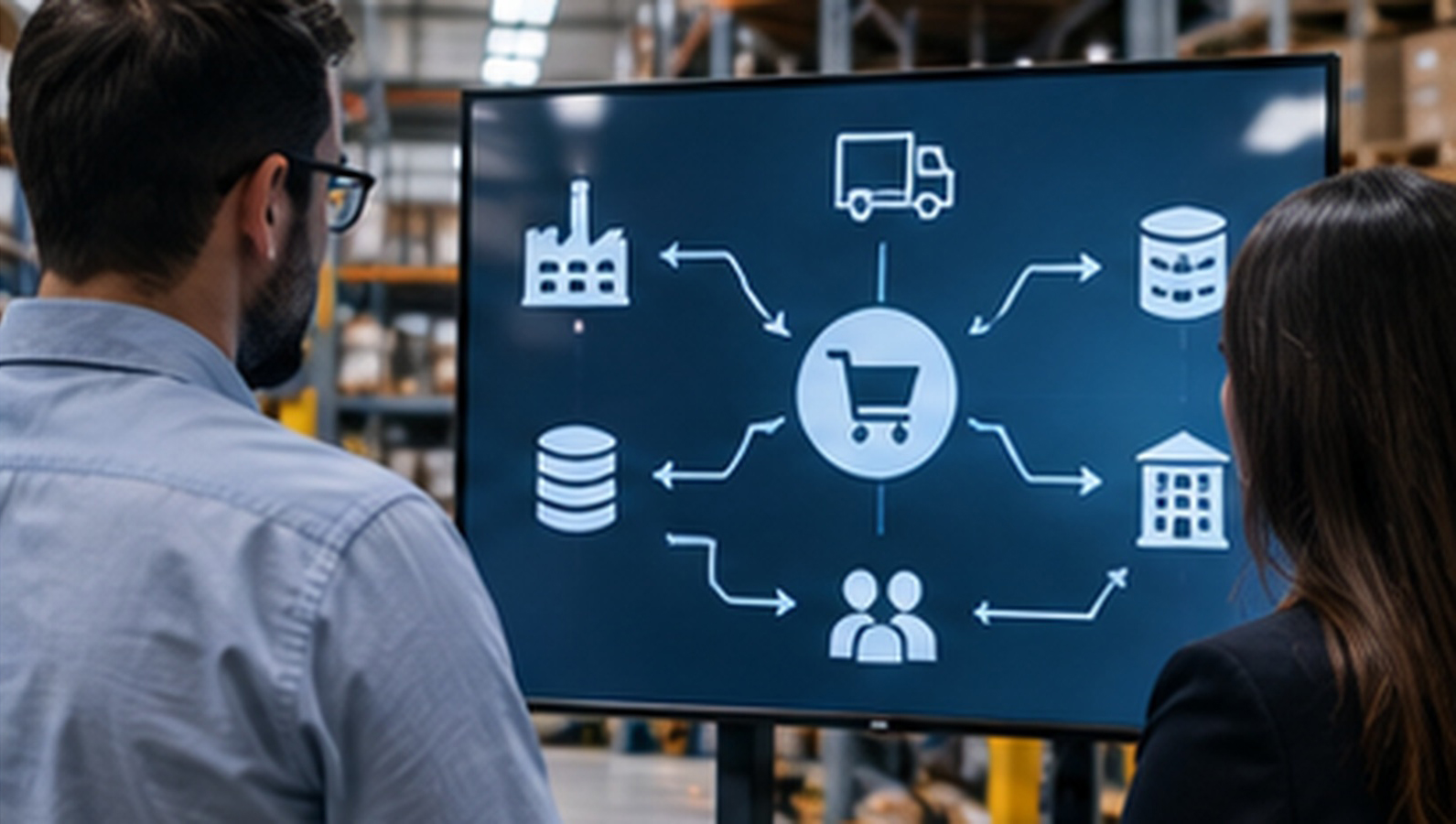
A B2C customer may ask: “Can I buy this?” A B2B buyer asks: “Can my company buy this item at our contracted price, from this warehouse, using this PO, with my approval limit, delivered to this location?” That difference changes the architecture. The Catalog Is Usually Not the Source of Truth B2B pricing may originate from ERP rules involving: customer → customer group → contract → quantity
ERP + eCommerce Integration: How to Automate Orders, Inventory, Shipments and Invoices
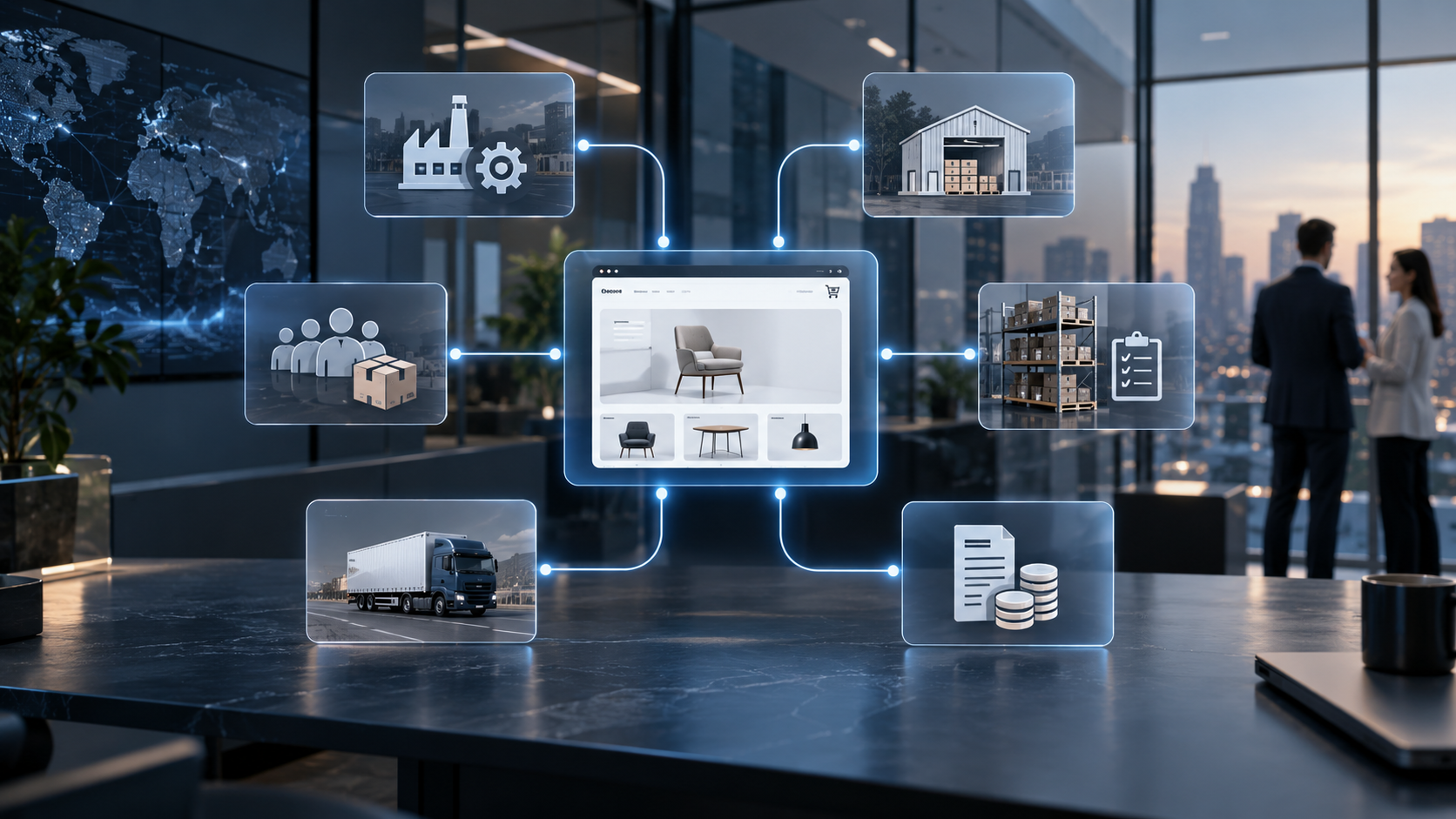
Your storefront may be where an order begins, but it is rarely where the entire transaction is processed. Behind it may sit an ERP, warehouse, distributor, payment provider, tax service and carrier. The connections between those systems directly affect customer experience. The Connected Order Lifecycle A typical flow might be: Customer → eCommerce → ERP → Warehouse/Distributor → Carrier Then information returns: Carrier → ERP → eCommerce
B2B eCommerce in 2025: What Modern Buyers Expect From Your Website
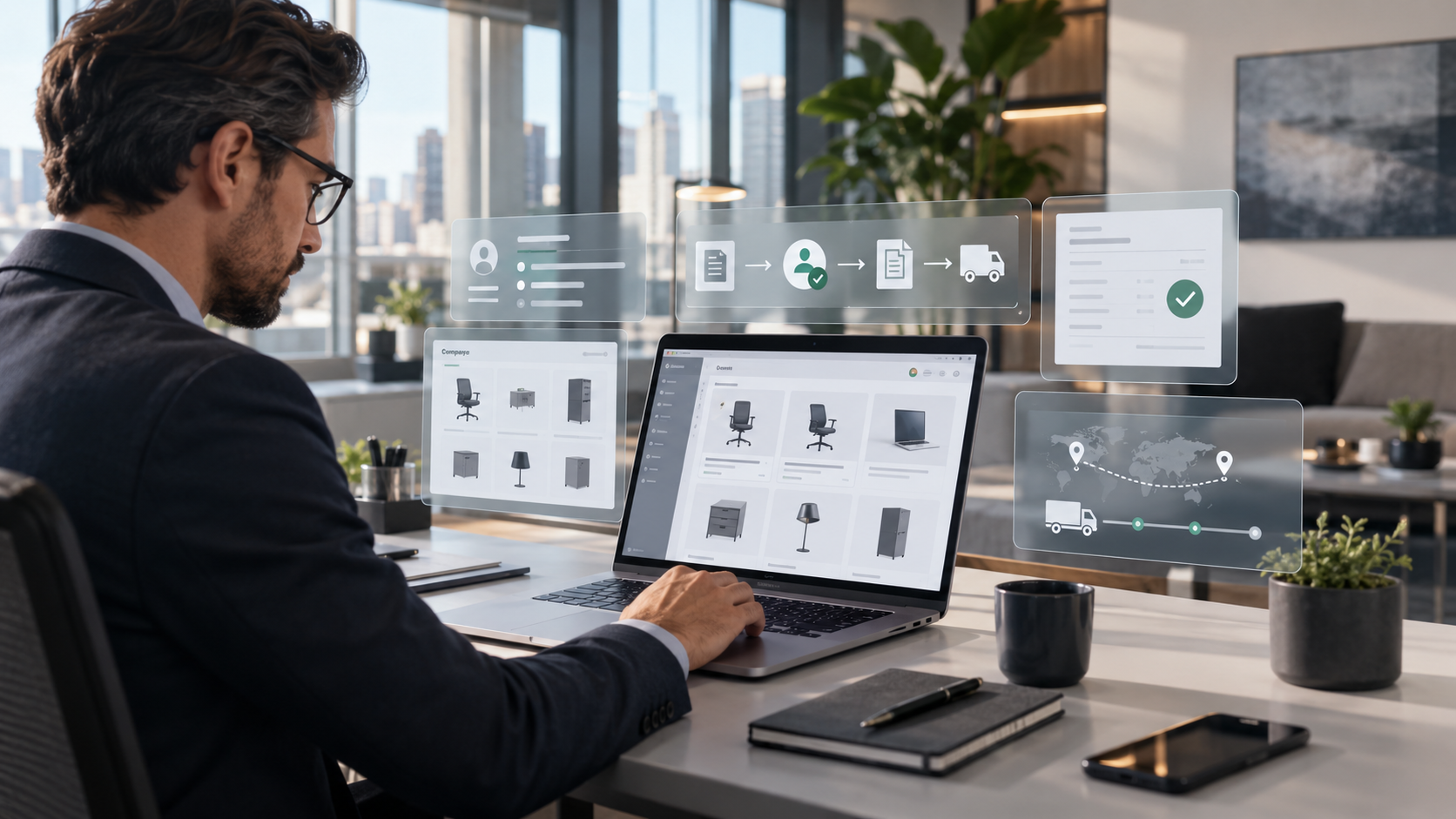
B2B commerce has changed. Today's business buyer is also a consumer accustomed to fast search, convenient checkout, transparent order status and intuitive self-service. Those experiences influence expectations at work. A B2B website can no longer function as an online catalog followed by a “Call for pricing” message. Modern buyers increasingly expect the digital channel to become an extension of their relationship with the supplier. Self-Service